
Selling Land to a Developer in West Virginia | Sell West Virginia Land

Selling Land to a Developer in West Virginia
Selling land to a developer can be attractive when your parcel sits near growth, utilities, road frontage, or a market where new housing, commercial use, or subdivision activity is realistic. A developer looks beyond acreage. They study zoning and land use, access, utility reach, slope, floodplain, stormwater, traffic, entitlement risk, nearby demand, and how long approvals may take.
Not every parcel is a development site. A wooded ridge tract, rural hollow parcel, inherited lot, or land with unclear access may be valuable, but not to a real estate developer. Before you assume a developer will pay the highest price, compare the value of your land under current conditions with the time and contingencies a development buyer may require.
What Developers Want to Know Before They Buy

Developers want facts that reduce risk. They may ask for boundary surveys, topography, utility maps, zoning letters, road access, environmental information, title exceptions, mineral reservations, traffic access, stormwater options, and municipal feedback. If the parcel is near Charleston, Martinsburg, Morgantown, Huntington, or another active corridor, they may also compare nearby approvals and absorption rates.
A land developer often needs due diligence before committing. That can include engineering, concept plans, financing, partner approval, government review, or pre-sale expectations. The offer may look strong, but the closing may depend on events outside the landowner's control. Read the contingencies carefully.
Due Diligence, Zoning, and Utility Questions

Due diligence is the review period when the buyer decides whether the land can support the intended project. Zoning, utility availability, road frontage, water, sewer, electric service, floodplain, wetlands, slope, and access can all affect land value. A parcel that looks good on a map may become less attractive after engineering review.
Ask the developer what they need to confirm and how long they need. A short review with proof of funds is different from a long option agreement with little commitment. If the buyer can cancel for almost any reason, the landowner carries more risk while the property is tied up.
Negotiation and Purchase Agreement Terms
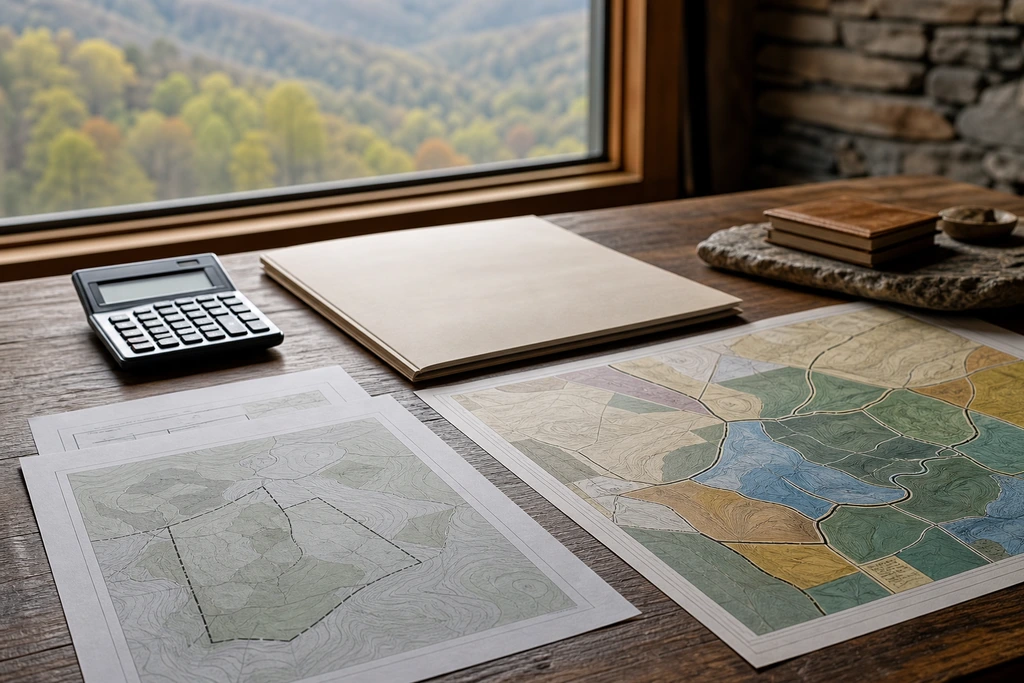
Negotiation with a developer is about more than price. Review the deposit, inspection period, extension rights, closing date, assignment rights, approvals, who pays studies, who pays closing costs, and what happens if zoning is denied. A real estate attorney or experienced real estate professional can help you understand the agreement before you sign.
A developer may ask for an option, feasibility period, or purchase agreement that gives them time to pursue approvals. That can be reasonable, but the seller should understand the tradeoff. A higher price with a year of uncertainty may be less attractive than a lower cash offer that closes in weeks.
When a Direct Land Buyer May Be Better
A direct land buyer may be a better fit when the parcel is not likely to support development, when you need a certain timeline, or when you do not want to wait through approvals. Direct buyers can review vacant land, rural acreage, wooded parcels, inherited land, and lots with access or title questions under current conditions.
If you want to sell land without engineering studies, public hearings, or buyer financing risk, compare a direct cash offer with the developer path. The direct offer may be lower than a best-case development price, but it may also be more predictable.
How Landowners Should Compare Developer Offers
Landowners looking to sell should compare net proceeds, probability of closing, time under contract, extension rights, and risk. Ask whether the buyer is a real estate developer, broker, wholesaler, builder, or investor. Ask how they plan to buy land, whether they have proof of funds, and what must happen before closing.
Also compare your carrying costs. Property taxes, maintenance, family decisions, and opportunity cost can add up while the developer studies the property. The best land sale is not always the highest theoretical number. It is the offer that matches your timeline and risk tolerance.
Steps Before Selling Land to Developers
Before selling to a developer, gather the deed, tax ticket, survey, utility notes, zoning information, access documents, leases, mineral records, and any prior engineering. If you do not have those records, start with the parcel ID and county records. A serious buyer can explain what they need next.
Then compare written offers. One buyer may want approvals before closing. Another may make a direct cash offer based on current use. Review each path with the right professional help so you know whether selling to a developer is really the best route for your West Virginia land.
Red Flags in Developer Conversations
Be careful if a developer talks about a high future value but will not explain the current purchase terms. Future subdivision value depends on approvals, construction costs, utility extensions, road work, financing, and market demand. The seller should be paid according to a written agreement, not a vague promise about what the property might become someday.
Another warning sign is a long control period with little deposit. If the buyer can hold the land for months, extend repeatedly, and cancel for broad reasons, the seller may lose other opportunities. Ask what compensation you receive for taking the property off the market during due diligence.
Assignment language also matters. Some developers legitimately assign contracts to related entities, but broad assignment rights can mean the person signing is not the final buyer. Ask who will actually close, who provides funds, and whether assignment changes your obligations.
Finally, understand who pays for studies. Surveys, engineering, environmental checks, zoning applications, and legal review can be expensive. If the buyer expects the landowner to fund those items before closing, compare that cost with a direct sale that reviews the property as-is.
A Balanced Way to Test Developer Interest
If you think the parcel has development potential, you can test that market without committing immediately. Gather records, speak with more than one qualified buyer, ask for written letters of intent, and compare timelines. Then place those offers beside a direct cash offer. The comparison shows whether the development premium is real enough to justify the extra time and risk.
Ask each developer to explain the intended use in plain language. Residential lots, townhomes, commercial pads, solar use, storage, timber, and recreation investment all require different approvals and budgets. A buyer who cannot describe the plan may not be ready to close at the price they mention.
You can also ask what happens if approvals fail. Some contracts automatically terminate, some allow extensions, and some require the buyer to close anyway. Knowing that answer helps you decide whether the developer offer is a true sale path or only a long feasibility test.
Frequently Asked Questions
Can I request an offer after reading about selling land to a developer in west virginia?
Yes. Send the parcel details through the form and we will review the land for a no-obligation cash offer.
Do I need every document before asking for an offer?
No. Start with the parcel location, owner name, and anything you know. More documents can be gathered during title review.
Selling Land To A Developer Checklist for West Virginia Landowners
This support note keeps the guide specific to West Virginia landowners while reinforcing practical owner guidance for selling land to a developer. It is not legal, tax, or broker advice.
Detailed land-offer review factors used for this page
Cash Offer, Title, and Closing Review
West Virginia Land Sale Documents and Local Factors
A clear selling process plan should explain when the title company opens escrow, which documents are needed, and how quickly the seller can approve terms. With property's, our review looks at road frontage, wetlands, zoning, tax card notes, timber or field value, and recent comparable land sales. A seller asking about rezoning should receive a clear explanation of the offer, the closing process, and any records the title company needs. piece of land is one of the signals we use to explain the sale path in plain language before an owner decides what to do next.
For West Virginia sellers, agricultural land should be reviewed as land first, not priced like a finished house with easy mortgage financing. A clear selling their property plan should explain when the title company opens escrow, which documents are needed, and how quickly the seller can approve terms. Before accepting may want to sell, check whether the offer accounts for road frontage, wetlands, utilities, back taxes, heir signatures, and closing costs. West Virginia owners considering sale of land should weigh speed, certainty, and as-is convenience against waiting for a retail buyer with financing contingencies.
A clear sale of your property plan should explain when the title company opens escrow, which documents are needed, and how quickly the seller can approve terms. The value of properties in your area often depends on buyer use, buildability, survey confidence, carrying costs, and how similar parcels have sold nearby. When owners compare purchase land, the practical question is who explains due diligence, closing costs, deed transfer steps, and possible title issues in writing. For help you sell land, the useful comparison is the net amount after taxes, title fees, recording costs, cleanup, and the time saved by avoiding a long retail listing.
A seller asking about money on the table should receive a clear explanation of the offer, the closing process, and any records the title company needs. Before accepting sell land to a developer, check whether the offer accounts for road frontage, wetlands, utilities, back taxes, heir signatures, and closing costs. land’s value is one of the signals we use to explain the sale path in plain language before an owner decides what to do next. A seller asking about access to utilities should receive a clear explanation of the offer, the closing process, and any records the title company needs.
The value of residential and commercial often depends on buyer use, buildability, survey confidence, carrying costs, and how similar parcels have sold nearby. With property online, our review looks at road frontage, wetlands, zoning, tax card notes, timber or field value, and recent comparable land sales. A seller asking about mixed-use should receive a clear explanation of the offer, the closing process, and any records the title company needs. A clear consider when selling land plan should explain when the title company opens escrow, which documents are needed, and how quickly the seller can approve terms.
Before accepting sell my land, check whether the offer accounts for road frontage, wetlands, utilities, back taxes, heir signatures, and closing costs. West Virginia landowners searching around real estate agent usually need practical answers about documents, closing dates, tax items, and whether the parcel can sell as-is. The land details details should be checked before a West Virginia landowner accepts a direct offer or signs a purchase agreement. With listing your property, our review looks at road frontage, wetlands, zoning, tax card notes, timber or field value, and recent comparable land sales.
A clear land up for sale plan should explain when the title company opens escrow, which documents are needed, and how quickly the seller can approve terms. For zoning regulations, a careful review helps the seller understand title status, parcel limitations, buyer timeline, and net closing proceeds. For West Virginia sellers, commercial real estate market should be reviewed as land first, not priced like a finished house with easy mortgage financing. For potential for development, a careful review helps the seller understand title status, parcel limitations, buyer timeline, and net closing proceeds.
With current market, our review looks at road frontage, wetlands, zoning, tax card notes, timber or field value, and recent comparable land sales. The texas landowners details should be checked before a West Virginia landowner accepts a direct offer or signs a purchase agreement. For many developers, a careful review helps the seller understand title status, parcel limitations, buyer timeline, and net closing proceeds. developers are looking is one of the signals we use to explain the sale path in plain language before an owner decides what to do next.
value of your property can require extra attention to access, deed restrictions, seasonal roads, utility distance, boundary questions, and municipal records. For process of selling land, the useful comparison is the net amount after taxes, title fees, recording costs, cleanup, and the time saved by avoiding a long retail listing. potential developers is one of the signals we use to explain the sale path in plain language before an owner decides what to do next. With market your land, our review looks at road frontage, wetlands, zoning, tax card notes, timber or field value, and recent comparable land sales.
For West Virginia sellers, property owners should be reviewed as land first, not priced like a finished house with easy mortgage financing. The value of real estate market often depends on buyer use, buildability, survey confidence, carrying costs, and how similar parcels have sold nearby. A seller asking about developers often should receive a clear explanation of the offer, the closing process, and any records the title company needs. potential land is one of the signals we use to explain the sale path in plain language before an owner decides what to do next.
The developer would details should be checked before a West Virginia landowner accepts a direct offer or signs a purchase agreement. West Virginia owners considering process of selling should weigh speed, certainty, and as-is convenience against waiting for a retail buyer with financing contingencies. West Virginia owners considering sale process should weigh speed, certainty, and as-is convenience against waiting for a retail buyer with financing contingencies. zone is one of the signals we use to explain the sale path in plain language before an owner decides what to do next.
For land to developers in texas, a careful review helps the seller understand title status, parcel limitations, buyer timeline, and net closing proceeds. Before accepting sell your land, check whether the offer accounts for road frontage, wetlands, utilities, back taxes, heir signatures, and closing costs. The buildable details should be checked before a West Virginia landowner accepts a direct offer or signs a purchase agreement. A direct sale connected to estate agents should still give the owner time to compare options and ask questions before committing.
West Virginia landowners searching around real estate development usually need practical answers about documents, closing dates, tax items, and whether the parcel can sell as-is. The development projects details should be checked before a West Virginia landowner accepts a direct offer or signs a purchase agreement. With current market trends, our review looks at road frontage, wetlands, zoning, tax card notes, timber or field value, and recent comparable land sales. West Virginia owners considering sell or lease should weigh speed, certainty, and as-is convenience against waiting for a retail buyer with financing contingencies.
The developers want to avoid details should be checked before a West Virginia landowner accepts a direct offer or signs a purchase agreement. market value can require extra attention to access, deed restrictions, seasonal roads, utility distance, boundary questions, and municipal records. The owning land details should be checked before a West Virginia landowner accepts a direct offer or signs a purchase agreement. raw land can require extra attention to access, deed restrictions, seasonal roads, utility distance, boundary questions, and municipal records.
For sell land to developers, the useful comparison is the net amount after taxes, title fees, recording costs, cleanup, and the time saved by avoiding a long retail listing. The value of market trends often depends on buyer use, buildability, survey confidence, carrying costs, and how similar parcels have sold nearby. The land development details should be checked before a West Virginia landowner accepts a direct offer or signs a purchase agreement. The plot of land details should be checked before a West Virginia landowner accepts a direct offer or signs a purchase agreement.
For developers might, a careful review helps the seller understand title status, parcel limitations, buyer timeline, and net closing proceeds. A seller asking about environmental conditions should receive a clear explanation of the offer, the closing process, and any records the title company needs. Before accepting closing statement, check whether the offer accounts for road frontage, wetlands, utilities, back taxes, heir signatures, and closing costs.
Need to sell your West Virginia land? We buy land directly from owners for cash, with no fees, no commissions, and we close in as little as 2 weeks.